





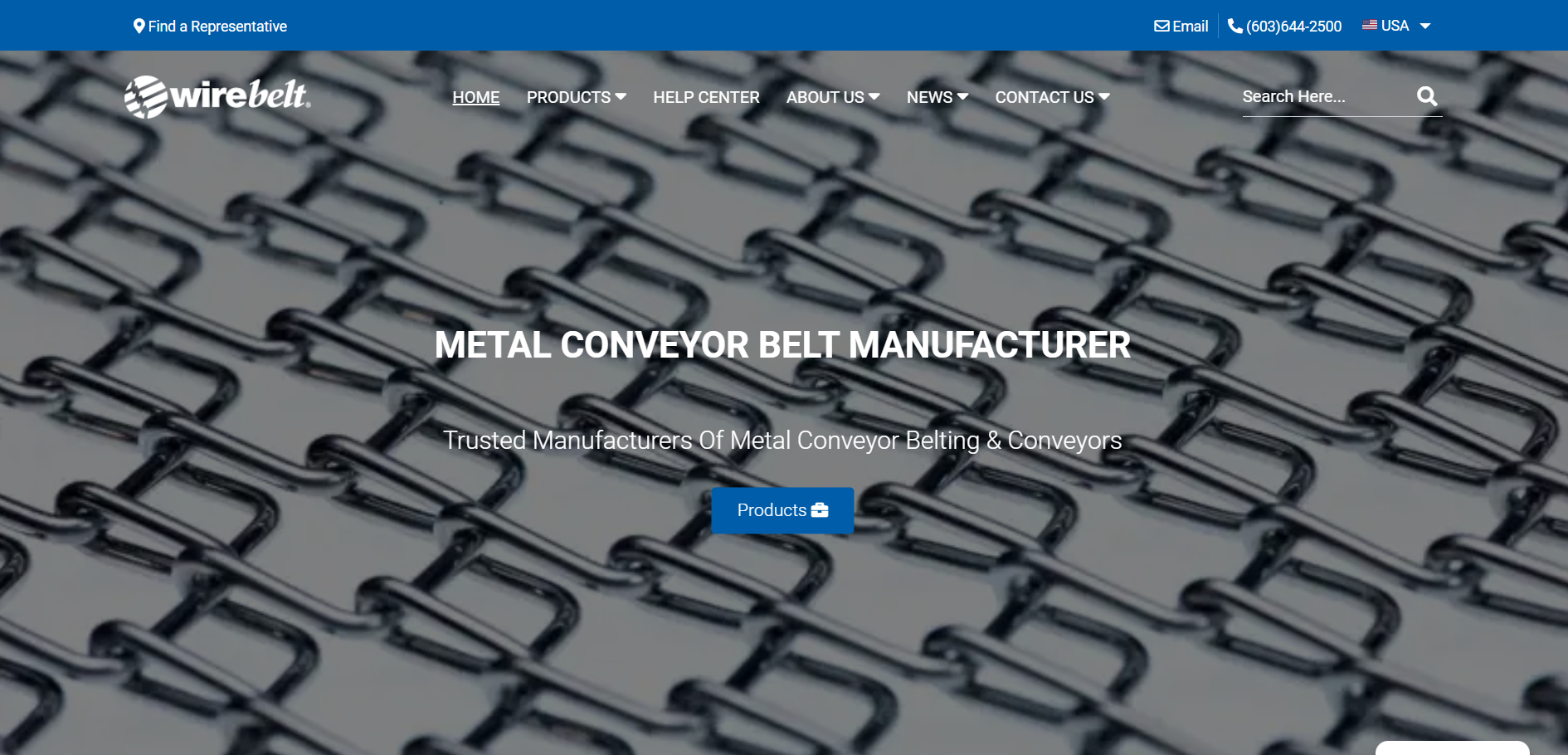
Metal Conveyor Belt Systems and Advanced Material Handling Solutions
In modern manufacturing and processing environments, efficiency, hygiene, and durability are non-negotiable. Metal conveyor belt systems have emerged as a critical component in achieving these objectives, particularly in industries such as food processing, pharmaceuticals, automotive, and heavy manufacturing. Companies like stainless steel conveyor belt provider Wire Belt Company have set industry benchmarks by designing, manufacturing, and installing specialized conveyor solutions tailored to demanding operational environments. Their expertise spans food-grade applications and industrial systems, helping businesses improve throughput while minimizing downtime through custom engineering, technical support, belt surveys, training, and maintenance tools.
Understanding Metal Conveyor Belt Systems
Metal conveyor belts are engineered using high-grade materials such as stainless steel to withstand extreme temperatures, corrosion, and heavy loads. Unlike traditional fabric or plastic belts, metal belts offer:
- Superior strength and durability for high-load operations
- Resistance to heat and corrosion, ideal for ovens, freezers, and washdown environments
- Enhanced hygiene, especially in food processing where contamination control is critical
- Low maintenance requirements, reducing operational interruptions
These characteristics make them indispensable in applications where reliability and longevity directly impact production efficiency.
Key Applications Across Industries
Metal conveyor systems are versatile and can be customized for a wide range of use cases:
1. Food Processing Industry
- Baking, freezing, frying, and packaging lines
- Easy cleaning and compliance with food safety standards (e.g., FDA, HACCP)
- Open mesh designs that allow airflow and uniform cooking
2. Industrial Manufacturing
- Assembly lines for automotive and electronics
- Heavy-duty transport of components and raw materials
- Integration with robotics and automation systems
3. Pharmaceutical and Chemical Sectors
- Controlled environments requiring non-reactive materials
- Precision handling of sensitive products
- Resistance to harsh chemicals and sterilization processes
Advantages of Custom Conveyor Solutions
Off-the-shelf conveyor systems often fail to address specific operational challenges. Custom-engineered metal conveyor belts provide a strategic advantage:
- Optimized workflow design tailored to facility layout
- Reduced downtime through precise load handling and alignment
- Improved energy efficiency with optimized belt movement and drive systems
- Scalability to accommodate future production growth
Providers such as wire belt specialists focus on delivering bespoke solutions that align with business goals, ensuring seamless integration with existing systems.
Enhancing Operational Efficiency
Metal conveyor belt systems contribute directly to operational excellence in several ways:
1. Minimizing Downtime
Custom-designed belts reduce wear and tear, while advanced materials prevent frequent breakdowns. Regular belt surveys and predictive maintenance further enhance reliability.
2. Increasing Throughput
Efficient material handling ensures faster movement of goods across production stages, reducing bottlenecks and improving overall output.
3. Improving Product Quality
Consistent belt performance ensures uniform processing conditions, which is particularly important in food and pharmaceutical industries.
4. Supporting Automation
Modern conveyor systems integrate with sensors, IoT devices, and automation platforms, enabling real-time monitoring and data-driven decision-making.
Maintenance and Lifecycle Optimization
A critical yet often overlooked aspect of conveyor systems is lifecycle management. Metal belts, while durable, require structured maintenance strategies to maximize ROI:
- Routine inspections and belt surveys to identify wear patterns
- Preventive maintenance schedules to avoid unexpected failures
- Operator training programs to ensure proper handling and usage
- Use of specialized maintenance tools to extend belt life
Companies that invest in these practices experience significantly lower total cost of ownership and improved system reliability.
Technical Support and Training: A Strategic Differentiator
Beyond product quality, the availability of technical support and training plays a vital role in long-term success. Leading providers offer:
- On-site consultations and system audits
- Installation and commissioning support
- Troubleshooting and rapid response services
- Training programs for operational teams
This holistic approach ensures that businesses not only deploy high-performance conveyor systems but also maintain them effectively over time.
Future Trends in Metal Conveyor Systems
The evolution of material handling solutions is being driven by technological advancements and industry demands:
- Smart conveyors with embedded sensors for predictive analytics
- Energy-efficient designs to reduce carbon footprint
- Modular systems for flexible manufacturing environments
- Enhanced hygiene designs for stricter regulatory compliance
Businesses that adopt these innovations gain a competitive edge by improving efficiency, reducing waste, and enhancing product quality.
Conclusion
Metal conveyor belt systems are a cornerstone of modern material handling strategies. Their durability, adaptability, and performance make them indispensable across multiple industries. By leveraging custom solutions, technical expertise, and proactive maintenance, businesses can significantly improve operational efficiency and reduce downtime.
Partnering with experienced providers ensures not only the deployment of high-quality systems but also ongoing support that maximizes long-term value. As industries continue to evolve, investing in advanced conveyor technologies will remain a critical driver of productivity and competitiveness.







Leave a Reply