



How To Turn Audio To Text For Executive Client Coaching
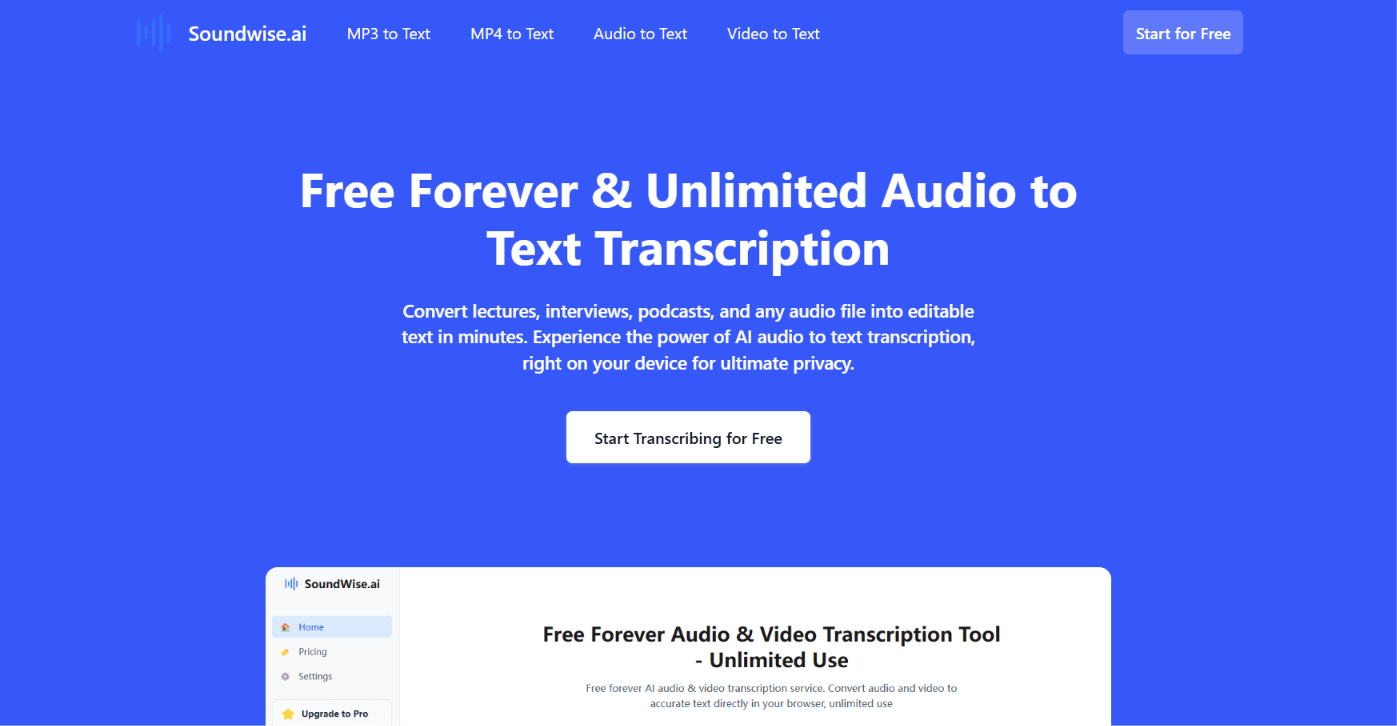
Confidential client discussions often produce their most valuable strategic breakthroughs before anyone writes a formal summary. During multi-hour advisory sessions, executive coaches and corporate mentors capture unfiltered reflections on board dynamics, personnel shifts, and unannounced restructuring plans. Converting spoken audio into searchable transcripts is necessary for drafting accountability roadmaps and governance memos, yet sending proprietary voice files to standard cloud transcription platforms creates immediate compliance concerns. Using an on-device Audio to text workflow solves this friction by converting spoken dialogue into accurate text without exposing confidential client recordings to remote servers.
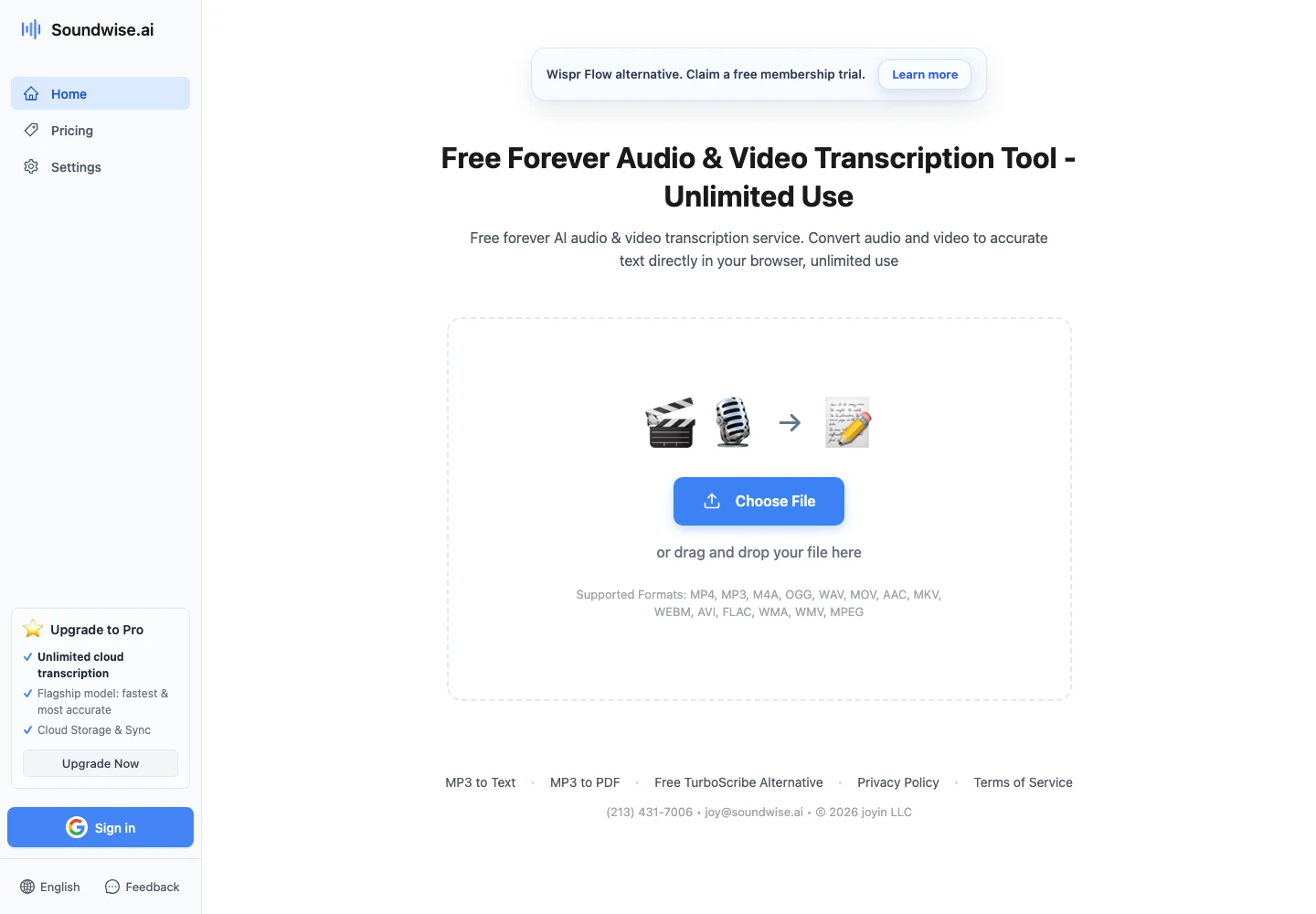
Independent advisors and boutique consultancies operate under strict non-disclosure agreements that forbid sharing raw client assets with external vendors. Many web transcription services process audio by uploading files to centralized data centers where data retention policies remain ambiguous. Soundwise addresses this governance vulnerability by running speech-to-text processing directly inside the local browser session using open-source Whisper technology. This architecture ensures that voice memos and executive coaching debriefs remain entirely on the advisor’s machine while delivering complete, searchable transcripts.
Client Confidentiality Risks In Conventional Transcription Services
Corporate coaching and leadership mentoring require an uncommon degree of psychological safety. Founders, chief executive officers, and managing partners discuss sensitive disputes, investor friction, and executive compensation packages that could damage enterprise valuation if leaked. When consultants rely on typical cloud-based automated dictation tools, every audio file travels across public internet nodes to third-party server clusters. Even when vendors claim enterprise encryption, raw audio recordings often sit in cloud storage buckets where they face subpoena exposure, automated training pipelines, or employee audits.
The administrative burden of manual transcription is equally unacceptable for solo advisors and compact advisory teams. Spending four hours typing a single two-hour client interview diverts high-value advisory attention away from strategic analysis. Traditional human transcription services introduce human error and external listeners, requiring additional non-disclosure paperwork for every contractor. The core dilemma for independent consultants has therefore centered on balancing operational efficiency against absolute client data discretion.
When consultants test cloud transcription platforms on unedited coaching sessions, typical acoustic flaws quickly appear. Background air conditioning hum, muted smartphone mics, or simultaneous cross-talk frequently trigger transcription failure, yielding unusable strings of garbled corporate buzzwords. Reviewing and correcting these wrong phonetic interpretations adds unexpected rework to an already demanding advisory schedule. Furthermore, storing raw executive audio files on external servers incurs continuous monthly subscription fees and storage bills, inflating administrative overhead without guaranteeing confidentiality.
On-Device Processing Architecture For Sensitive Executive Audio
Modern browser technologies now allow computationally intensive neural speech recognition models to run locally on consumer laptops. By executing transcription routines directly on the user’s local CPU and GPU, advisors eliminate the need for server uploads entirely. This creates an air-gapped transcription environment where audio files never touch an external database or network endpoint.
Running Local Whisper Models Directly Within The Web Browser
Soundwise leverages OpenAI Whisper models compiled for client-side browser execution. When an advisor drops a confidential voice memo into the browser interface, the machine loads the neural weights into local memory and transcribes the speech on-device. Generating Audio to text locally means that high-stakes strategy sessions never travel across external networks or get logged in vendor accounts. The speech recognition model handles varied speaking cadences, specialized corporate terminology, and background ambient office noise while preserving absolute privacy.
In practice, local processing provides consistent accuracy across diverse business dialogues. When an executive pivots between operational metrics and strategic vision, the on-device engine accurately maps domain vocabulary without relying on remote API calls. Even when audio files contain minor acoustic drift or quiet murmurings, the underlying neural model preserves sentence boundaries and punctuation. This reliability ensures that advisors spend their time reviewing leadership themes rather than repairing corrupted text.
Managing Hardware Execution Times And Active Browser Tabs
Because the transcription workload runs entirely on local processor cores, processing speed depends directly on the user’s laptop specifications. Transcribing a sixty-minute client coaching session typically requires approximately ten minutes on modern desktop or laptop hardware. During this processing interval, the browser tab must remain open and active; navigating away or terminating the tab cancels the local job.
Advisors managing tight client turnaround schedules should account for this compute time when organizing their daily schedule. Leaving the tab running during a brief coffee break or while reviewing written notes prevents workflow bottlenecks. Because the system incurs zero per-minute billing fees or cloud queue delays, consultants can process entire libraries of historical voice logs without worrying about ballooning project budgets or unexpected usage caps.
Practical Workflow For Organizing Advisory Notes And Frameworks
Establishing a consistent intake discipline prevents voice recordings from piling up on portable recorders or smartphones. Transforming raw conversational audio into structured client deliverables works best when advisors follow a predictable three-stage progression:
- Record sessions using clean standalone audio hardware or native voice memo applications in uncompressed WAV or compact MP3 formats.
- Drop the finished audio file into the local transcription interface, keeping the tab active while the on-device engine parses the dialogue.
- Review the raw transcription alongside meeting notes, formatting key takeaways into formal deliverables and exporting the text.
Establishing this intake protocol eliminates the chaotic scramble of searching through fragmented voice memos before client quarterly check-ins. Advisors can systematically archive every coaching debrief alongside written strategy decks, creating a coherent corporate memory for long-term retainer clients. When reviewing transcripts, consultants can quickly discard irrelevant conversational tangents and focus exclusively on high-priority commitments.
Exporting Formats For Immediate Retainer Debriefs And Executive Summaries
Once transcription finishes, advisors can export the generated text in multiple standard formats, including TXT, DOCX, and PDF, or copy the transcript directly to the system clipboard. Incorporating automated timestamps allows consultants to cross-reference pivotal client statements against original audio files instantly. Generating a clean DOCX transcript enables immediate editing, allowing consultants to highlight key commitments, draft action items, and deliver tailored executive summaries before the close of business.
This structured documentation format proves especially beneficial when coaching leadership teams across multiple business units. Having timestamped dialogue records prevents disagreements regarding past verbal commitments and ensures alignment between senior founders and department heads. While automated transcription cannot replace the contextual intuition of an experienced advisor, it eliminates the clerical friction of capturing spoken insights accurately.
Evaluating Cloud Convenience Against Pure Local Data Custody
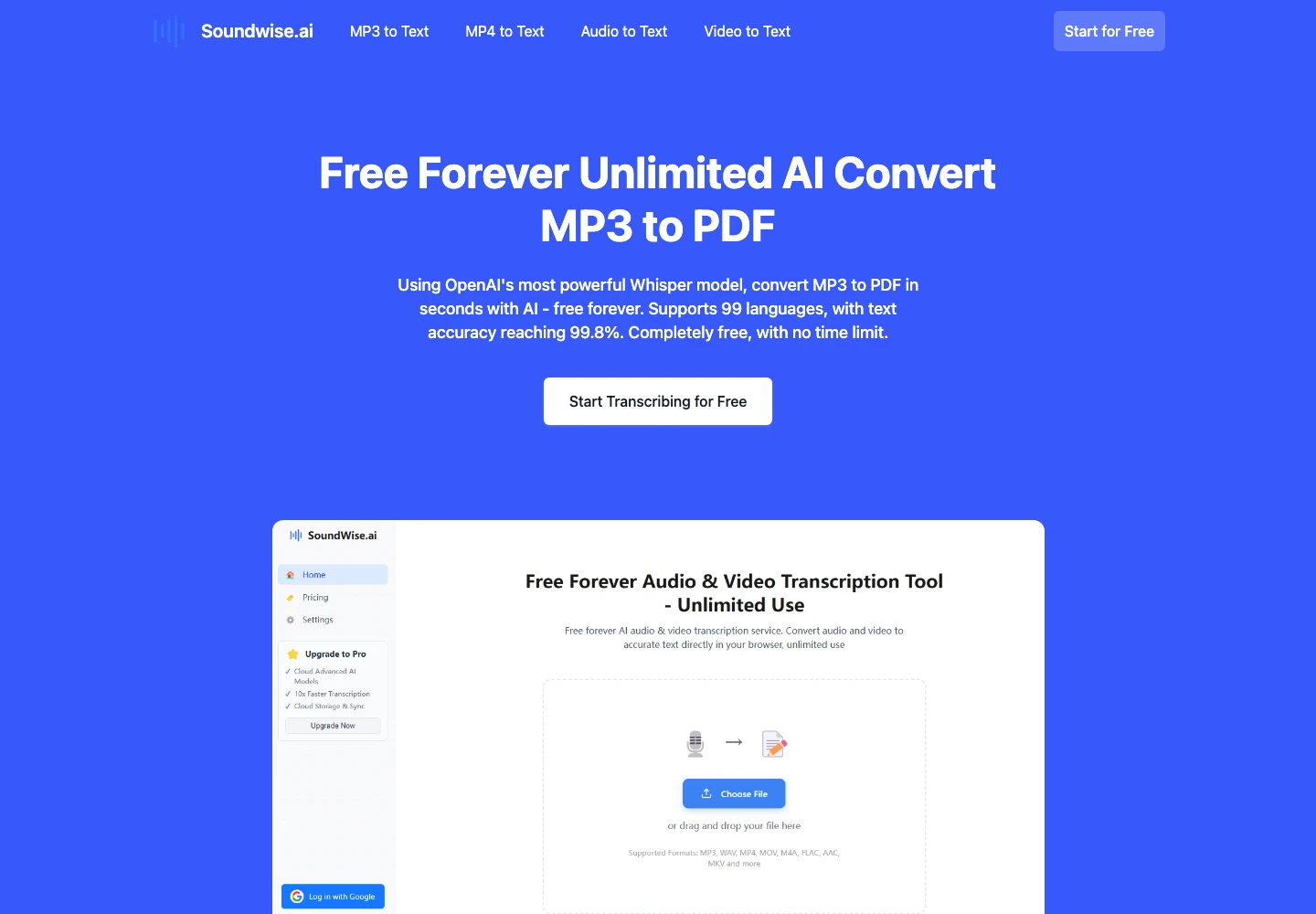
Different consulting engagements present distinct security profiles. For routine administrative voice notes, public webinar transcripts, or internal project logs where non-disclosure risks are low, cloud transcription offers undeniable speed advantages. Soundwise Pro provides an optional cloud processing tier that completes a one-hour recording in roughly thirty seconds and continues running even after the user closes the browser window, priced at ten dollars per month on an annual plan.
However, when advisors handle executive coaching retainers, private equity due diligence interviews, or board-level dispute resolutions, data sovereignty must take precedence over processing speed. Relying on local on-device transcription provides total peace of mind because no remote vendor ever possesses a copy of the conversation. The consultant maintains sole custody of the digital asset from initial vocalization to final written roadmap, avoiding potential compliance liabilities and vendor lock-in.
Recommended Operating Protocol For Independent Advisory Practices
Adopting an on-device transcription protocol elevates the professional credibility of independent advisory firms. When executive clients discover that their coaching sessions and strategic planning workshops are processed strictly on local hardware without cloud exposure, mutual trust deepens substantially. Advisors eliminate recurring per-minute transcription invoices while maintaining total control over sensitive corporate intellectual property.
For consultants seeking a dependable, privacy-first transcription solution, Soundwise provides an ideal balance of cutting-edge Whisper speech recognition and uncompromising local data isolation. Integrating this workflow into weekly client debriefs saves hours of manual documentation while upholding the highest standards of professional discretion.





Leave a Reply