





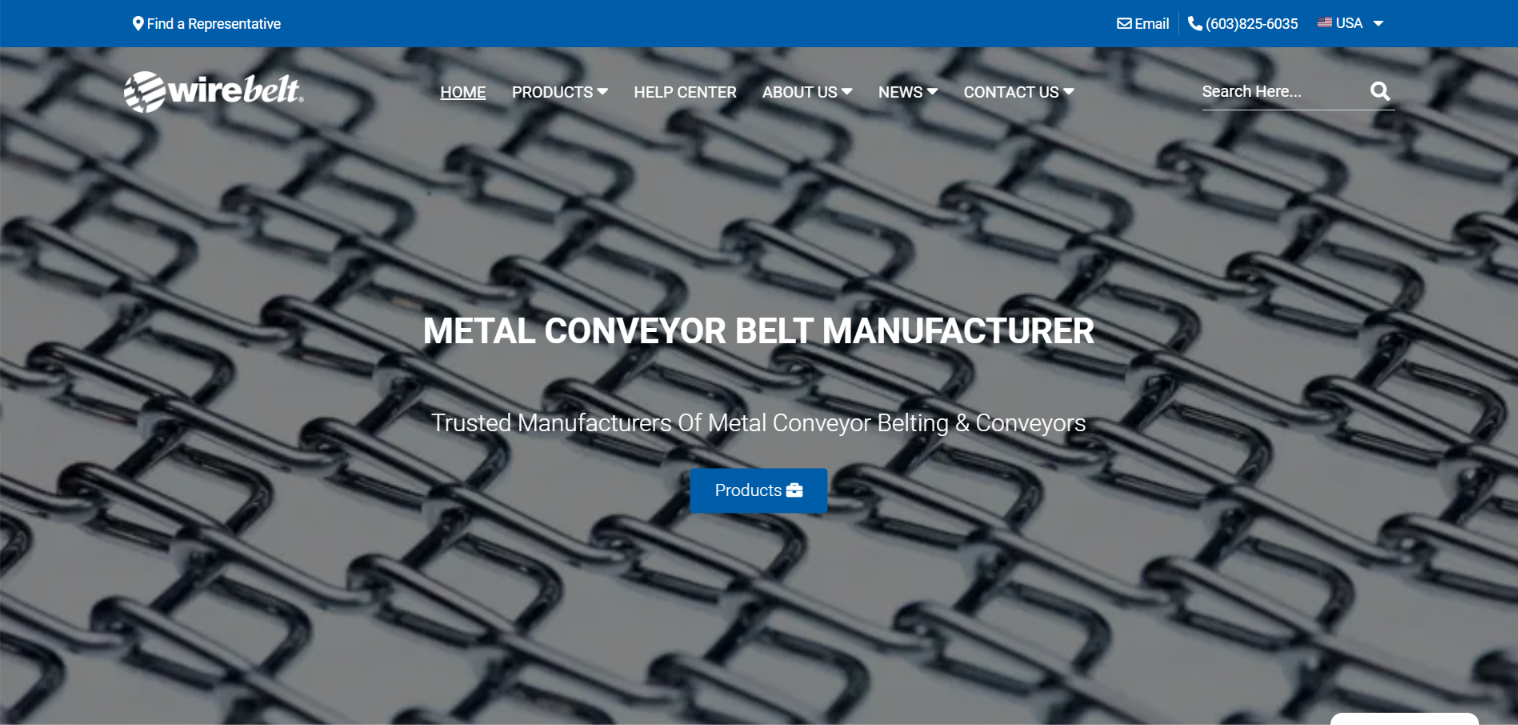
Metal Conveyor Belt Systems: Improving Efficiency in Material Handling
Metal conveyor belt systems play an important role in modern manufacturing, food processing, packaging, and industrial production. They help businesses move materials efficiently while maintaining consistent workflows and reducing manual handling. Companies such as wire conveyor belt specialize in designing, manufacturing, and installing advanced conveyor solutions for food processing and industrial applications. Through custom belt designs, technical support, belt surveys, operator training, and maintenance tools, the company helps businesses improve productivity, minimize downtime, and extend equipment life.
Understanding Metal Conveyor Belt Systems
Metal conveyor belts are designed to transport products and materials through different stages of a production process. Unlike traditional rubber or plastic belts, metal belts can offer excellent durability, heat resistance, and structural strength, making them suitable for demanding operating environments.
These systems are commonly used in food production, baking, freezing, drying, metalworking, and packaging facilities. Their open construction can also support airflow, drainage, and heat transfer, depending on the belt design. This makes them particularly useful for applications where temperature control, hygiene, or efficient product movement is essential.
Selecting the right conveyor belt depends on several factors, including the type of material being transported, operating temperature, required speed, load capacity, and environmental conditions.
Benefits of Mesh Conveyor Belt Solutions
A mesh conveyor belt is a popular option for industries that require consistent product movement and effective air or liquid circulation. Its open structure allows air, water, and heat to pass through the belt, making it suitable for washing, cooling, drying, and baking processes.
In food processing facilities, mesh belts can help move products through ovens, freezers, and cleaning systems without interrupting production. Depending on the material and construction, they can also withstand challenging operating conditions while maintaining reliable performance.
Another advantage is flexibility. Mesh conveyor belts are available in different configurations to accommodate product sizes, production speeds, and equipment requirements. Choosing an appropriate design can improve product handling, reduce material waste, and support more consistent output.
However, businesses should evaluate belt specifications carefully. Mesh size, wire diameter, belt strength, and material composition all influence performance and service life.
Custom Conveyor Solutions for Industrial Applications
Every production facility has different material handling requirements. Standard conveyor equipment may not always provide the performance needed for specialized manufacturing processes. Custom conveyor solutions address these challenges by matching belt design and construction to the operating environment.
For example, a food manufacturer may need a belt that supports hygienic processing and withstands frequent cleaning. An industrial facility may prioritize high-temperature resistance, load capacity, or reliable transportation of components through multiple production stages.
Working with an experienced conveyor supplier can help businesses identify the most suitable configuration. Technical assessments can reveal issues such as belt tracking problems, excessive wear, product slippage, or inefficient conveyor layouts before they cause significant production disruptions.
A properly designed system can improve workflow consistency while reducing unnecessary maintenance and operating costs.
Reducing Downtime Through Preventive Maintenance
Unexpected conveyor failures can interrupt production schedules, delay deliveries, and increase operational expenses. Preventive maintenance helps businesses identify potential problems before they develop into costly equipment failures.
Regular inspections should cover belt tension, alignment, drive components, connecting joints, and signs of corrosion or fatigue. Cleaning procedures should also follow the requirements of the application, particularly in food processing environments where hygiene is critical.
Professional belt surveys can help identify wear patterns and recommend corrective actions. Operator training is equally valuable because employees who understand proper conveyor operation can recognize early warning signs and follow appropriate maintenance procedures.
Using suitable maintenance tools and replacement components can further simplify servicing. These practices help extend conveyor life, maintain consistent performance, and reduce the likelihood of unplanned downtime.
Choosing the Right Conveyor Belt Supplier
Selecting a reliable supplier involves more than comparing product prices. Businesses should consider manufacturing expertise, customization capabilities, technical assistance, installation support, and access to maintenance resources.
An experienced supplier can assess the production environment, recommend appropriate belt materials, and help integrate conveyor equipment into existing operations. Ongoing support is particularly important for facilities that operate continuously or handle products with specific processing requirements.
It is also worth evaluating the total cost of ownership. A belt with a lower initial price may require more frequent replacement or maintenance, while a well-matched solution can deliver better long-term value.
Conclusion
Metal conveyor belt systems are essential for efficient material handling across food processing and industrial manufacturing. The right combination of belt design, material selection, installation, and preventive maintenance can improve productivity and reduce operational disruptions.
By investing in suitable equipment and working with knowledgeable suppliers, businesses can build more reliable production processes. Whether a facility needs a specialized conveyor for demanding industrial conditions or a solution for food handling, careful planning and ongoing technical support can help maximize equipment performance and long-term efficiency.









Leave a Reply