





How Universities Can Streamline Document Signing and Administrative Workflows with eSignature Solutions
TL;DR
Universities manage thousands of documents every year, from admissions forms and financial aid paperwork to HR records and research agreements. Traditional paper-based processes often create delays, increase administrative costs, and frustrate students and staff. Modern eSignature solutions help institutions simplify document management, improve compliance, enhance security, and accelerate approvals while supporting increasingly digital academic environments.
The Growing Need for Digital Document Workflows in Higher Education
Higher education institutions face unique administrative challenges. Admissions offices process large volumes of student applications, financial aid departments handle sensitive documentation, and HR teams manage onboarding paperwork for faculty and staff. When these processes rely on paper documents or manual signatures, delays become inevitable.
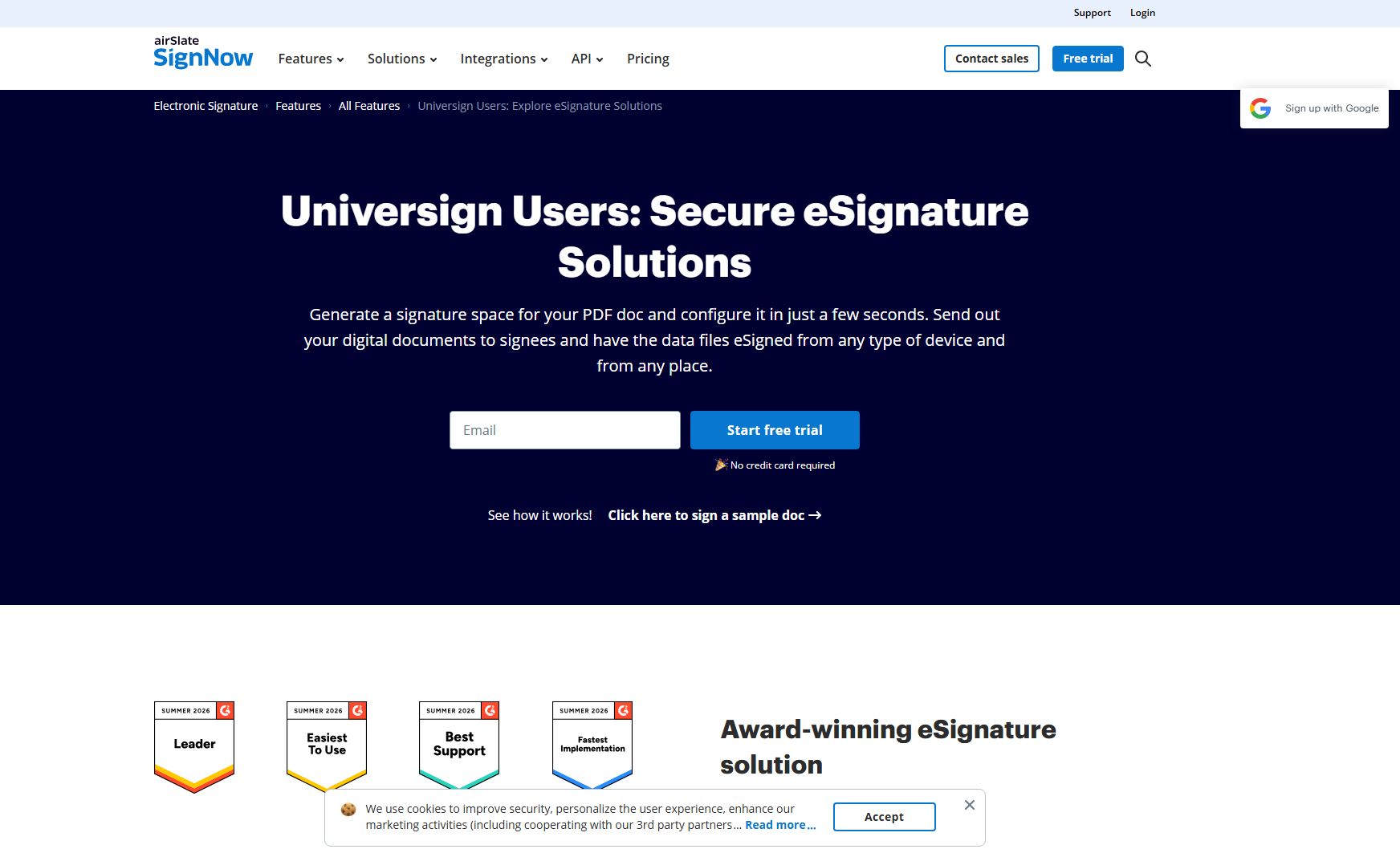
As universities continue to digitize operations, electronic document workflows have become an important part of improving efficiency. Institutions exploring digital signing solutions often evaluate resources such as signnow umich when researching secure and compliant ways to manage electronic signatures across academic departments.
By reducing paperwork and enabling remote approvals, eSignature platforms can help institutions respond more quickly to the needs of students, employees, and external partners.
Common University Processes That Benefit from eSignatures
Many university departments can improve efficiency through electronic signatures.
Student Enrollment and Admissions
Admissions teams often handle enrollment agreements, registration forms, and student declarations. Digital signatures allow students to complete required paperwork from any location, reducing administrative bottlenecks and minimizing delays before the start of a semester.
Human Resources and Faculty Onboarding
Universities regularly hire faculty members, researchers, administrative staff, and student workers. Electronic document workflows simplify employment agreements, policy acknowledgments, and onboarding forms, allowing HR teams to process new hires more efficiently.
Research and Academic Agreements
Research institutions frequently manage collaboration agreements, grant-related documents, and approval forms. Electronic signatures help accelerate review cycles while maintaining proper records and auditability.
Security and Compliance Considerations
Educational institutions must protect sensitive information and maintain compliance with applicable regulations. Security is therefore a critical factor when selecting an eSignature solution.
Modern platforms such as signNow support multiple compliance frameworks, including ESIGN, UETA, GDPR, CCPA, and SOC 2 Type II standards. For organizations handling healthcare-related information, HIPAA compliance may also be supported when a Business Associate Agreement (BAA) is in place.
Security features such as TLS 1.2 and TLS 1.3 encryption during data transmission, AES-256 encryption for stored documents, two-factor authentication, and detailed audit trails help organizations maintain document integrity and accountability throughout the signing process.
Improving Productivity Across Campus
Administrative efficiency directly impacts the experience of students, faculty, and staff. Manual document routing often creates delays that affect registration timelines, hiring processes, and departmental approvals.
Organizations using signNow have reported significant productivity improvements, including an average first-year ROI of 700%, savings of up to six hours per week per employee, and document completion rates reaching 80%.
For universities managing large document volumes, these efficiencies can translate into faster approvals, fewer administrative burdens, and improved service delivery across campus departments.
Cost Management and Scalability
Budget constraints are a reality for many educational institutions. As a result, scalability and predictable pricing are important considerations when evaluating technology solutions.
SignNow offers plans starting from $8 per user per month for the Business plan when billed annually. The platform also provides unlimited users on paid plans and does not impose envelope limits, allowing institutions to manage document workflows without worrying about annual signature caps.
This flexibility makes electronic document management practical for both smaller colleges and large universities with multiple departments and thousands of users.
Conclusion
Universities are under increasing pressure to modernize administrative operations while maintaining security, compliance, and efficiency. eSignature solutions provide a practical way to streamline document workflows across admissions, HR, research, finance, and student services.
By reducing manual paperwork, accelerating approvals, and supporting secure digital transactions, electronic signatures help educational institutions create more efficient processes that better serve students, faculty, and staff.
FAQ
What is an eSignature in higher education?
An eSignature is a legally recognized electronic method of signing documents. Universities use eSignatures for admissions paperwork, enrollment forms, HR documentation, research agreements, and various administrative approvals.
Are electronic signatures legally valid for university documents?
In the United States, electronic signatures are generally recognized under the ESIGN Act and UETA. Institutions should review their specific legal and compliance requirements before implementation.
How do eSignatures improve student experiences?
Students can review, complete, and sign documents remotely without visiting administrative offices. This reduces delays and helps streamline enrollment, registration, and financial aid processes.
What security features should universities look for?
Important features include encrypted data transmission, encrypted storage, audit trails, access controls, and two-factor authentication. These measures help protect sensitive institutional and student information.
Can eSignature solutions support remote faculty onboarding?
Yes. HR departments can use electronic document workflows to send employment agreements, policy acknowledgments, and onboarding forms to faculty and staff regardless of location.
Why are audit trails important for educational institutions?
Audit trails provide a documented record of document activity, including who viewed, signed, or modified a file. This helps support transparency, accountability, and compliance requirements.







Leave a Reply