





Someone finally clicks. You have spent months developing a skill, and you have started putting the work where people can see it, a portfolio piece in your bio, a resource you swore by in a comment, the course you just published. A stranger takes you up on it, follows the link, and lands on a dead page. The thing you were proud enough to share is a 404, and it happened at the exact moment you wanted to look like someone who has their act together.
If you are in the stretch of learning where you are starting to share, this is coming for you. It is not a sign you did anything wrong. A link that worked when you posted it quietly dies weeks or months later, and by then you have moved on and forgotten it existed. The work is fine. The only thing that broke is the address it pointed to, and once you sent that link into the world you lost the ability to fix it.
Why this hits people who are building something
When you are early in developing a skill, most of what you share depends on places you do not control. You link to a tool you are trying out, a template on someone else's site, a video, a doc, a resource that lived on a free platform until that platform changed its mind. You are borrowing addresses from the whole internet, and the internet reshuffles itself constantly. Journals move. Tools get acquired and shut down. That perfect free resource disappears behind a paywall the month after you recommended it.
The other half of the problem is where your links end up. A link in a social bio. A comment on a post from last year. A line in a PDF version of your resume that is now in a dozen inboxes. A description under a video. A course lesson you published and cannot easily go back and edit at scale. These are places you cannot quietly update after the fact. The link inside them freezes the instant you post, send, or upload, while the destination it points at keeps drifting away.
So you end up with a slowly growing pile of links scattered across the web, each one a small bet that a page somewhere else will still exist when someone finally clicks. Some of those bets lose. You rarely find out which ones until it is embarrassing.
The fix comes from a corner of the web you have never thought about
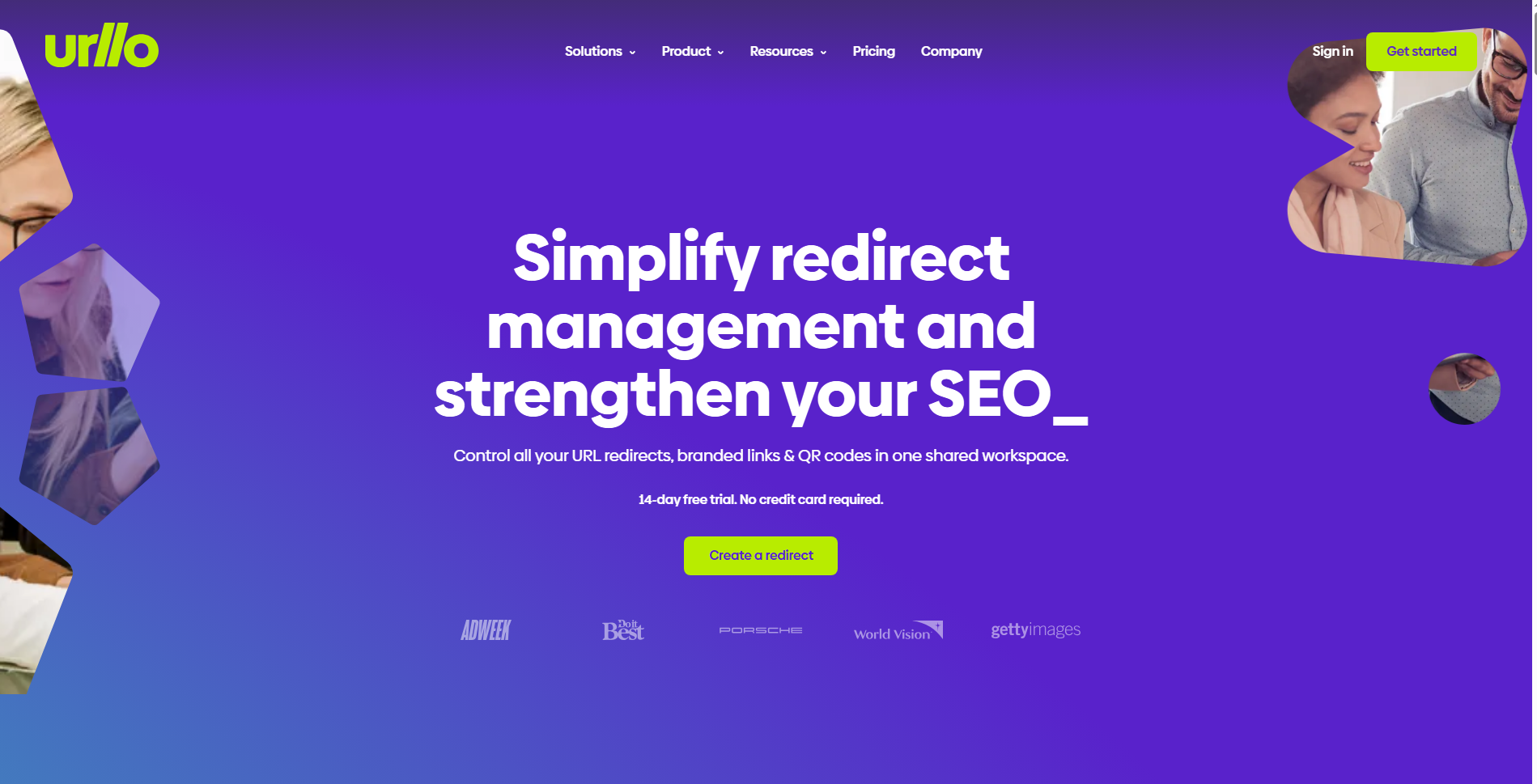
There is a simple tool that solves this, and it lives in an unglamorous part of the web that most people building an audience never look at. It is called a redirect.
Instead of sharing the real destination directly, you create one stable link of your own that forwards anyone who clicks it to wherever the thing currently lives. When the destination moves, you do not go hunting through old posts and PDFs trying to fix them. You change where your link points, once, and every copy already out in the world starts working again.
The tool that manages this is a link redirector. You set up a short, clean link, tell it where to send people, and keep the power to change that destination later without touching anything you already published. Someone clicking from a year-old comment has no idea anything changed underneath them. They just arrive where they are supposed to.
This flips the usual setup. Normally the link is the fragile part and whatever you posted is stuck. With a redirect, what you posted can stay exactly as it is while the link becomes the flexible piece you still control. For anyone whose growing reputation is spread across bios, published courses, and other people's platforms, that control is worth having.
Where this earns its place as you grow
The clearest win is anything tied to how you present yourself. A portfolio link in your bio, a resource list you point people to, a link on a resume. You commit to one stable address, and you keep control of where it goes for as long as it is out there. Rebuild your portfolio on a new platform next year and the link in your bio never has to change, so nobody ever hits a dead end while checking you out.
If you make and sell your own courses, this matters even more. Migrating from one course platform to another usually breaks every link you ever shared pointing at the old one, all at once. Run those through a redirector and you repoint them in a single pass instead of digging through years of emails and lessons.
There is a quieter benefit too. Because every click passes through your own link first, you can see which resources people actually open. Share ten things and watch only two get clicks, and you have learned something real about what lands and what gets ignored. That feedback is genuinely useful when you are still figuring out what your audience wants, and you get it without asking anyone to do a thing.
And the links just look more finished. A clean, readable link is easier to say in a video, easier to fit on a slide, and less likely to get mangled when someone copies it. Small, but polish is part of looking like you know what you are doing.
Starting without overcomplicating it
You do not need to redirect everything, and trying to would be its own kind of busywork. Start with the links that are most expensive to fix once they break, which is almost always the ones living somewhere you cannot easily edit later. A bio, a published course, anything already sitting in other people's hands.
Set up stable links for those before you post them, and keep a short note of where each one points so you can find and update them fast when something moves. Leave the rest alone. A link on a page you can edit yourself already gives you the control a redirect would.
The point is not to collect another tool. It is to stop paying, over and over, for a problem you can solve once. You are building something durable. The links carrying people to it should be just as durable as the work itself.







Leave a Reply