





Restaurant Permits and Licenses: What First-Time Owners Need to Know Before Opening
Opening a restaurant is exciting, but it's also one of the most heavily regulated businesses you can start. Many first-time founders spend months perfecting their menu, branding, and business plan, only to discover that a missing permit or expired license can delay opening—or worse, force them to close after launch.
For SaaS founders, entrepreneurs, and investors exploring the food service industry, compliance isn't just paperwork. It's an operational requirement that directly impacts revenue, reputation, and long-term growth.
Understanding what permits you need, when they expire, and how to keep them current can save thousands of dollars in fines and prevent costly interruptions.
Why Restaurant Compliance Matters
Unlike many online businesses, restaurants operate under constant oversight from multiple government agencies. Depending on your city and state, you'll likely deal with health departments, fire marshals, building inspectors, tax authorities, and alcohol control agencies.
Each authority has its own application process, renewal schedule, inspection requirements, and documentation standards.
One overlooked renewal or failed inspection can result in:
- Delayed grand openings
- Financial penalties
- Temporary business closure
- Suspended licenses
- Lost customer confidence
For entrepreneurs opening their first location, managing these requirements manually often becomes more complicated than expected.
The Core Permits Most Restaurants Need
While requirements vary by location, most restaurants will need several foundational permits before serving customers.
Business License
Every restaurant must register as a legal business entity. This establishes the company with local and state authorities and allows it to operate legally.
Depending on your structure, this may involve forming an LLC or corporation and obtaining local business registration.
Food Service License
Perhaps the most important requirement, a food service license confirms that your establishment meets public health regulations.
Before approval, inspectors typically evaluate:
- Food storage procedures
- Kitchen sanitation
- Refrigeration temperatures
- Employee hygiene practices
- Cleaning systems
- Pest prevention
Without this license, serving food to customers is generally prohibited.
Health Department Permit
Many jurisdictions require regular health inspections even after opening.
Inspection scores often become public information, meaning compliance directly affects customer trust and online reputation.
Fire Safety Approval
Restaurants contain cooking equipment, gas lines, electrical systems, and emergency exits that require fire code compliance.
Inspectors commonly review:
- Fire suppression systems
- Emergency exits
- Smoke detectors
- Fire extinguishers
- Kitchen hood systems
Failing inspection can delay opening until issues are corrected.
Sales Tax Registration
Restaurants collect sales tax on food and beverages in most jurisdictions.
Registering with the appropriate tax authority ensures taxes are collected and reported correctly.
Employer Requirements
If you're hiring staff, additional registrations may include:
- Employer Identification Number (EIN)
- Workers' compensation insurance
- Unemployment insurance registration
- Labor law postings
These requirements often begin before your first employee starts work.
Additional Licenses Depending on Your Restaurant
Not every establishment operates the same way.
A coffee shop has different regulatory needs than a full-service steakhouse or a food truck.
Depending on your concept, you may also require:
- Liquor license
- Outdoor dining permit
- Music licensing
- Sign permits
- Grease trap approvals
- Building occupancy certificate
- Mobile food vendor permit
- Drive-through approval
This variation is one reason entrepreneurs frequently underestimate compliance complexity.
Why Missing Just One Permit Can Shut Down Operations
Imagine you've invested six months building your restaurant.
Construction is complete.
Marketing campaigns are running.
Employees have been hired.
Opening day arrives—but your health permit hasn't been finalized.
Instead of welcoming customers, you're paying payroll, rent, and utilities while waiting for approval.
The financial impact compounds quickly.
Even established restaurants face similar risks when licenses expire unnoticed.
For example, an expired food establishment permit or liquor license can trigger enforcement actions that temporarily halt operations until compliance is restored.
The cost of prevention is almost always lower than the cost of interruption.
Compliance Becomes Harder as You Grow
Operating one restaurant is manageable with spreadsheets and calendar reminders.
Managing multiple locations is another challenge entirely.
Each city may have different:
- Renewal dates
- Inspection schedules
- Required documents
- Regulatory agencies
- Local ordinances
A restaurant group operating across several states may be tracking dozens—or even hundreds—of compliance deadlines simultaneously.
Missing just one can create unnecessary operational risk.
Why Manual Tracking Often Fails
Many first-time owners rely on shared spreadsheets, sticky notes, email reminders, or personal calendars.
These systems work initially but become unreliable as responsibilities increase.
Common problems include:
- Multiple people assuming someone else handled renewals
- Lost documentation
- Missed reminder emails
- Staff turnover
- No centralized compliance history
Eventually, administrative tasks consume valuable management time that could be spent improving operations or growing the business.
Using Technology to Stay Ahead
Instead of reacting to deadlines, many operators now use compliance software to centralize documentation and automate reminders.
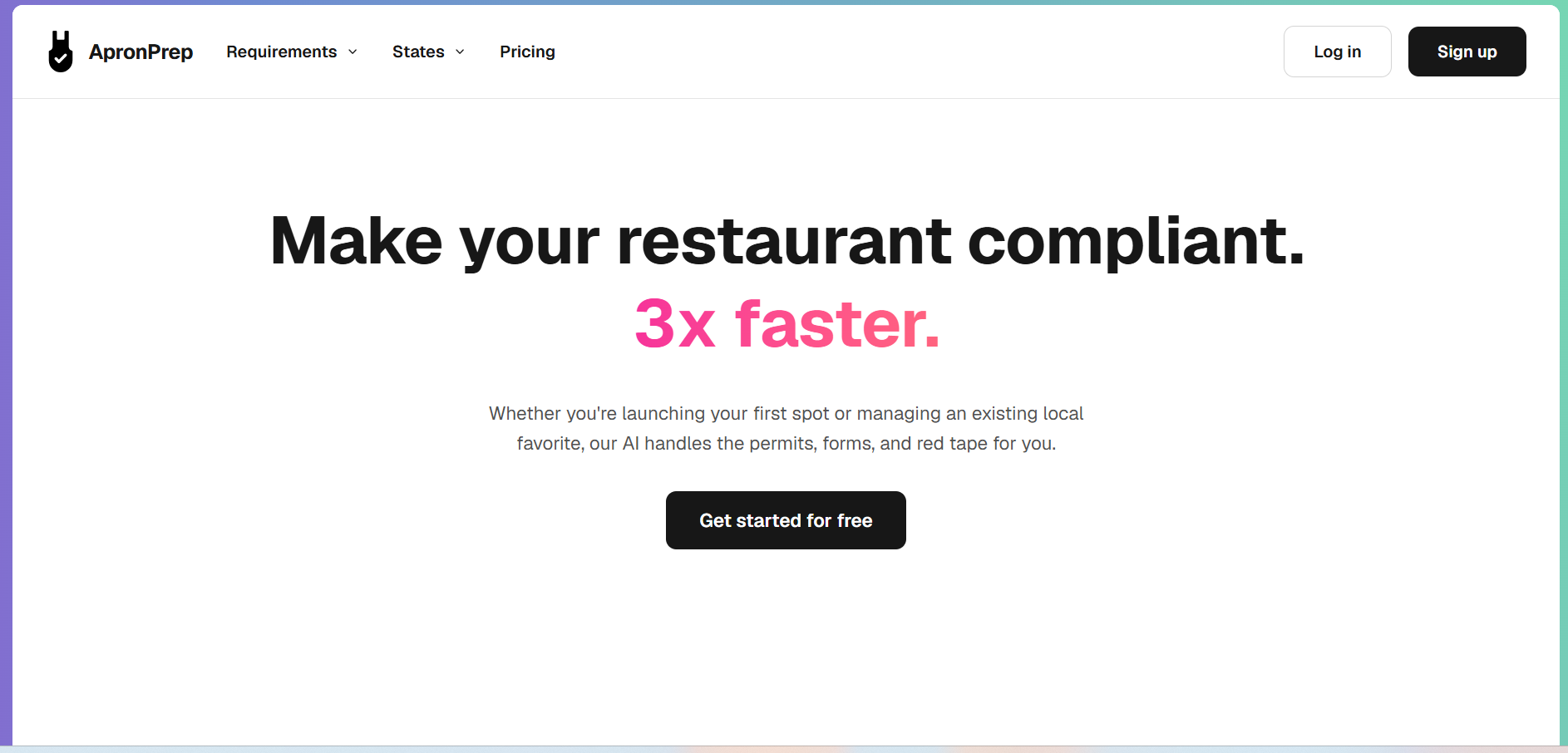
Solutions such as ApronPrep's restaurant compliance platform help restaurant owners monitor permits, licenses, inspections, and renewal dates from one dashboard rather than relying on disconnected spreadsheets.
For businesses expanding into multiple locations, centralized visibility reduces administrative workload while helping teams stay prepared for inspections and renewals.
Restaurant operators can also use ApronPrep to review jurisdiction-specific licensing requirements across more than 150 U.S. cities, making it easier to understand what documentation may be required before opening a new location.
Practical Tips for First-Time Restaurant Owners
Before signing a lease or ordering kitchen equipment, create a compliance checklist specific to your city.
A few best practices include:
- Research local requirements before construction begins.
- Build permit timelines into your project schedule.
- Keep digital copies of every approval and inspection report.
- Schedule renewals several weeks before expiration dates.
- Assign one person to own compliance responsibilities.
- Review requirements annually since regulations can change.
Planning ahead helps prevent expensive surprises later.
Final Thoughts
Opening a restaurant involves much more than creating a great menu or choosing the perfect location.
Success depends on building systems that keep the business legally operational every day—not just on opening day.
For first-time entrepreneurs, understanding permits, licenses, inspections, and renewals early can prevent costly delays and reduce operational risk. As your business grows, having a structured compliance process becomes just as important as managing inventory, staffing, or customer experience.
The restaurants that scale successfully aren't only known for exceptional food—they're also built on strong operational foundations, and regulatory compliance is one of the most important.






Leave a Reply