



Choosing a mobile gaming or entertainment app should involve more than attractive graphics, a large game library or promotional claims. Users in India should pay attention to transparency, payment security, privacy protection, age restrictions and the legal status of the games being offered.
With hundreds of apps competing for attention, understanding how a platform operates is essential. A trustworthy service should make its policies easy to understand, explain how its games work and provide accessible customer support. Users should never have to rely solely on advertising promises when deciding whether an app deserves their trust.
1. Understand the Rules Before Playing
One of the first signs of a transparent gaming platform is the availability of clearly written game rules.
Before using an app, users should check:
- How each game works and what determines its outcome.
- Whether results depend on skill, chance or randomised systems.
- Whether probability information or return-to-player (RTP) figures are published.
- Whether the rules differ between individual games.
- Whether the platform explains restrictions and eligibility requirements.
These details help users understand what they are participating in rather than making decisions based on assumptions.
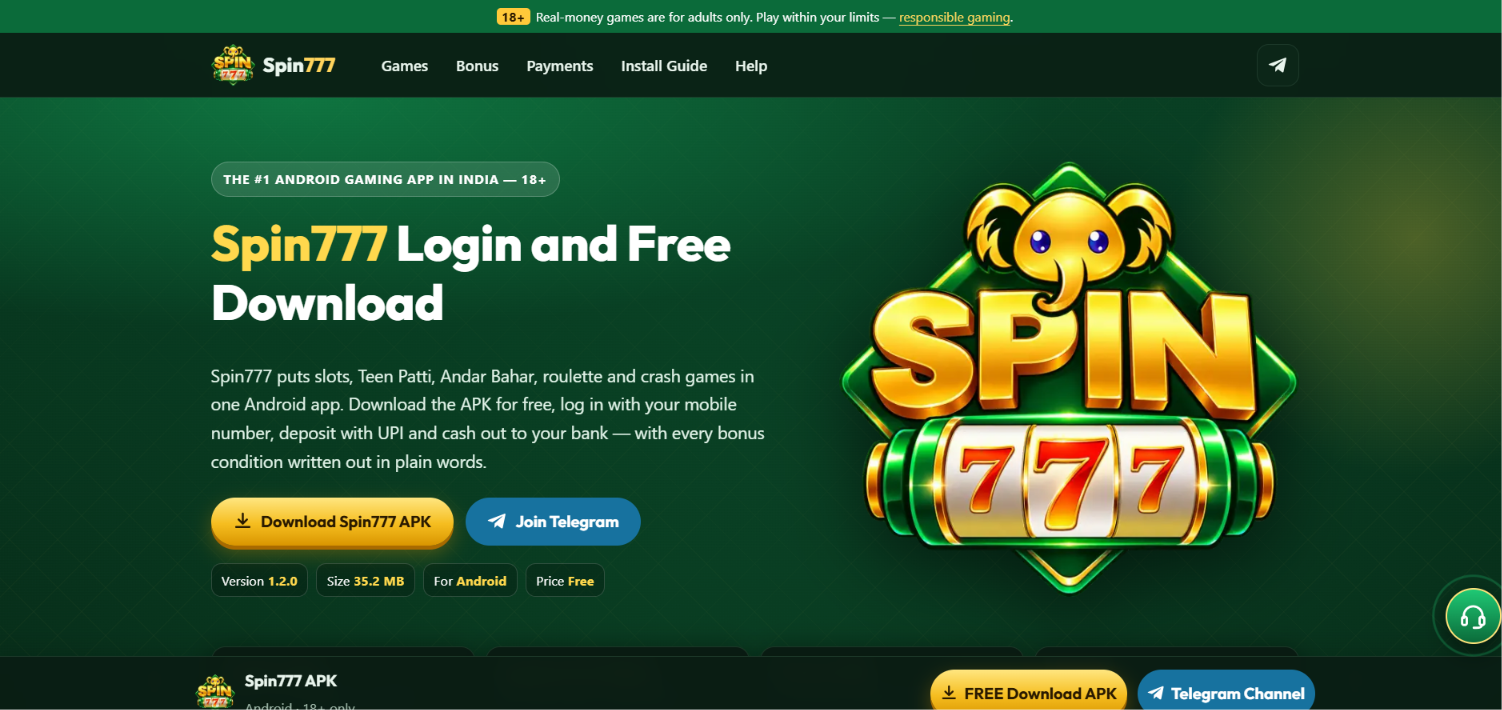
For example, some gaming platforms, including websites such as Spin 777, publish game information and rules on their websites. However, published information alone does not establish that a platform is independently audited, legally authorised or safe to use. Consumers should verify those matters separately.
2. Look for Transparent Odds and Fair-Play Information
Transparency around game outcomes is another important consideration.
When an app offers games involving random outcomes, users should be able to find relevant probability information where applicable. For games using RTP figures, the platform should explain what those percentages mean and whether they have been independently verified.
A few important questions include:
- Are game odds explained clearly?
- Is the RTP information available before playing?
- Does the platform identify its game providers?
- Are fairness claims supported by independent testing?
- Can users access the complete terms and conditions?
Remember that RTP is a statistical measure over many rounds, not a prediction of an individual player's results. Even a game with a published RTP does not guarantee a particular outcome.
3. Check Payment Security and Withdrawal Policies
Payment transparency is essential whenever an entertainment app involves financial transactions.
Before sharing payment information, consumers should examine the platform's payment policies and understand how transactions are processed.
A reliable payment process should provide:
- Clear information about supported payment methods.
- Secure payment processing.
- Transaction confirmations and receipts.
- Accessible transaction histories.
- Published withdrawal and refund policies, where applicable.
- A clear process for reporting unsuccessful transactions.
Be cautious of applications that make unrealistic claims about instant withdrawals or demand additional unexplained payments to release funds.
Never share your banking password, UPI PIN, card security code or one-time password with an app representative.
4. Evaluate Customer Support and Company Transparency
A professional entertainment platform should make it straightforward to contact its support team.
Look for a dedicated support email, a functioning help centre, clearly identified business information and accessible complaint procedures.
Before trusting an application, consider whether:
- The website provides identifiable company or operator information.
- Its privacy policy explains how personal information is collected and used.
- Its terms and conditions are accessible.
- Customer support responds to genuine questions.
- Users can report suspicious activity or account problems.
An attractive website is not proof of business legitimacy. Independent verification and a transparent operating history are more meaningful indicators.
5. Understand India's Online Gaming Regulations
Legal compliance should be one of the most important considerations when choosing a gaming application in India.
The Promotion and Regulation of Online Gaming Act, 2025, establishes a prohibition on online money games, including games based on skill, chance or a combination of both. The framework also prohibits their advertising, promotion and facilitation.
The associated Online Gaming Rules, 2026, came into force on 1 May 2026. They establish requirements concerning game classification, user safety and grievance redressal.
Press Information Bureau+2
Consumers should therefore distinguish between permissible social entertainment games, esports and prohibited online money gaming services.
Before downloading an application, check its legal status under the applicable Indian regulations. Do not assume that an app is authorised simply because it has a functioning website, accepts payments or publishes game rules.
6. Prioritise Privacy and Account Security
Mobile gaming applications may request access to personal information, device permissions and account details.
Users should understand why an application needs particular permissions before granting access.
Important security considerations include:
- Downloading applications only from verified sources.
- Checking the developer's identity.
- Reviewing the privacy policy.
- Using strong, unique passwords.
- Enabling additional account security where available.
- Avoiding suspicious APK download links.
- Never sharing OTPs or financial credentials.
Users should also regularly review their account activity and revoke unnecessary permissions.
7. Age Restrictions and Responsible Entertainment
Age restrictions are essential for protecting younger audiences from inappropriate content and potentially harmful gaming experiences.
Parents should use available parental controls, age restrictions and device-level screen-time settings to manage children's access to entertainment applications.
Adults should also establish sensible limits on their entertainment activities. Gaming should never interfere with household responsibilities, work, sleep or financial commitments.
18+ notice: Only adults aged 18 or above should access age-restricted entertainment. Play responsibly, set personal time and spending limits where applicable, and never use money needed for essential expenses for gaming.
Conclusion
Choosing a trustworthy mobile gaming or entertainment application requires careful evaluation. Clear rules, transparent probability information, secure payments, reliable customer support, privacy protection and legal compliance should all influence the decision.
Consumers should avoid relying on promotional claims and instead examine the actual policies and safeguards provided by each platform.
Ultimately, the best entertainment experience is one that respects users, protects their information and operates within the law.







Leave a Reply